Ski Sunglasses and Year-End Travel Sunglasses Guide
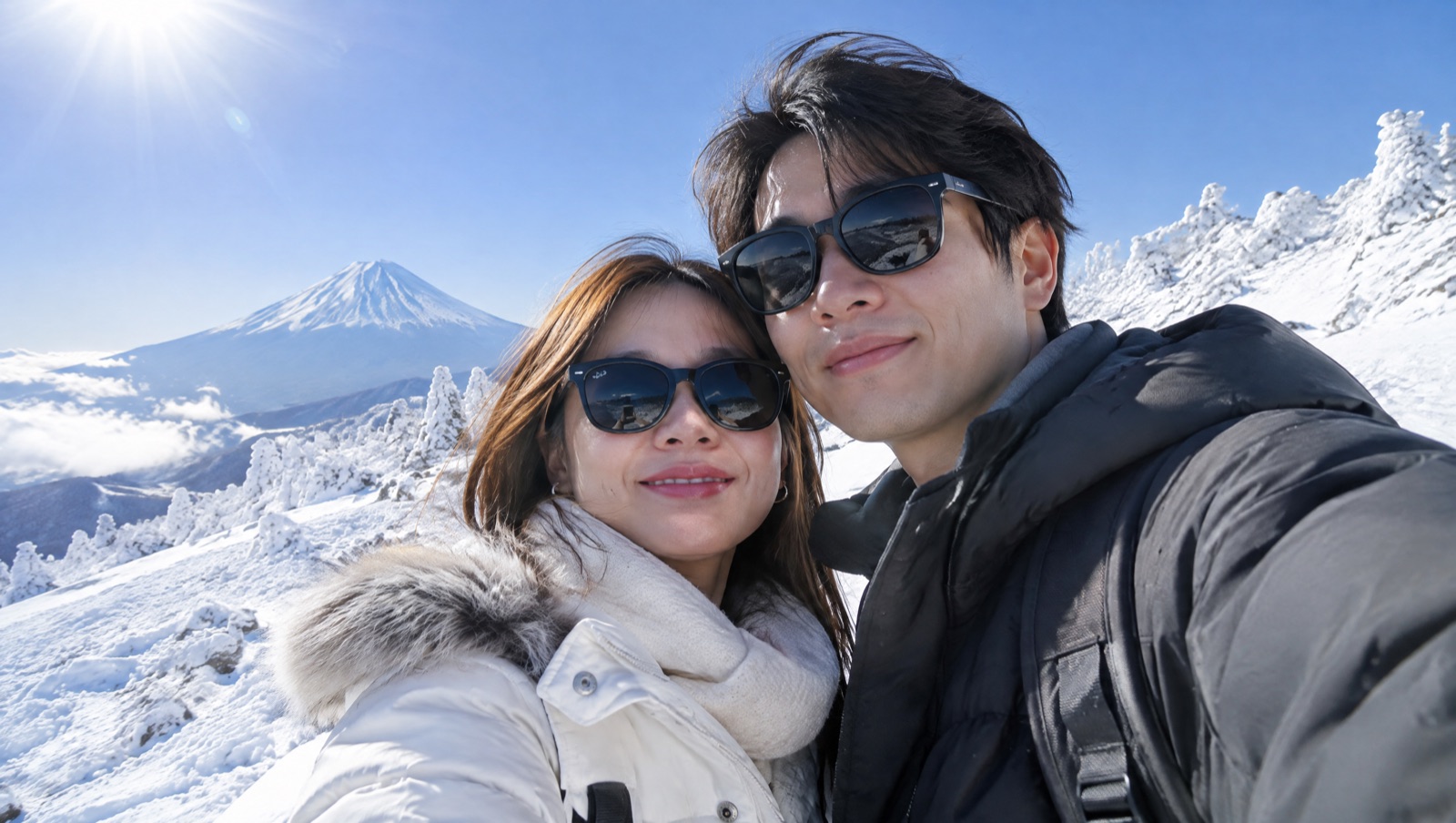
Why Winter Trips Need Stronger Sunglasses
It is easy to assume sunglasses matter less in winter. On snow the opposite is true. The WHO notes that fresh snow can reflect up to 80% of UV radiation, and UV levels climb roughly 10% for every 1,000m of altitude. Combine the two on a ski slope in Niseko, Hakuba or Pyeongchang and your eyes take a beating from above and below.
Unprotected eyes on snow can get snow blindness, a painful sunburn of the cornea that usually shows up hours later.
Best Ski Sunglasses and Lenses for Snow
- Category 3: enough for most city sightseeing and gentle slopes in winter sun.
- Category 4: for bright, high-altitude or glacier days. Category 4 is too dark for driving, so do not wear it behind the wheel.
- Wraparound frames: block light coming in from the sides, which on snow is significant.
- Mirror coatings: cut extra glare off bright snow fields.
If you are skiing or snowboarding seriously, proper goggles are better than sunglasses. Bring sunglasses for lunch breaks, walking around the resort and travel days. See our lens categories guide for the full breakdown.
Best Lenses for Beach Holidays
Heading to Bali, Phuket, Langkawi or the Maldives instead? Water and sand both reflect UV and glare. Category 3 polarised lenses are the go-to, and a frame that sits close to the face helps on windy boat trips. Our water sports guide covers floating frames and retention straps.
City Breaks in Winter
Seoul, Tokyo, Taipei and Europe in December bring low sun angles. The sun sits lower in the sky all day, so glare hits you straight in the eyes while walking. A Category 2 or 3 lens with a back-side anti-reflective coating handles this well. Photochromic lenses are handy for days that swing between bright streets and indoor malls.

Packing and Care Tips
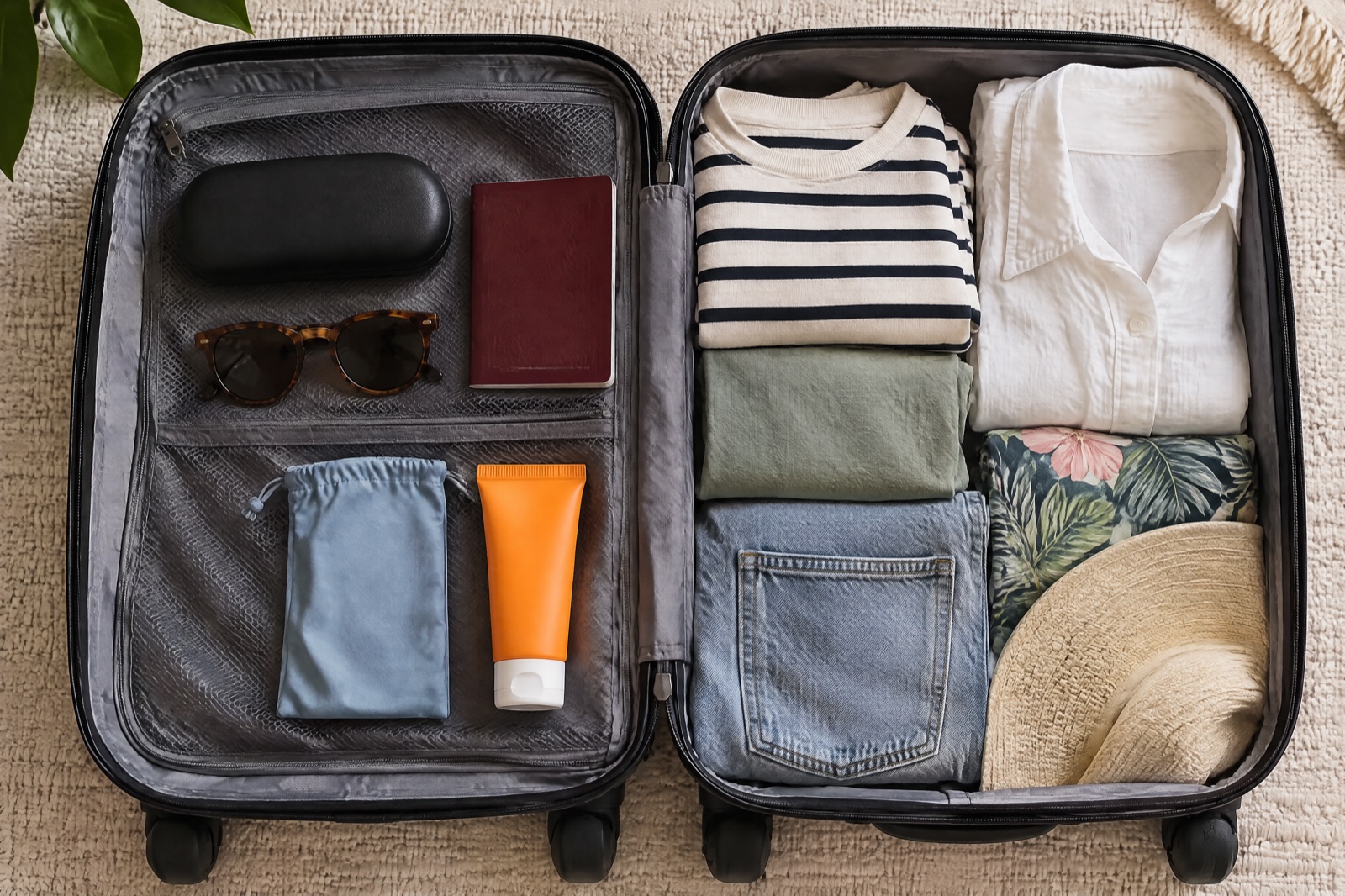
- Pack sunglasses in a hard case in your carry-on. Checked luggage gets crushed.
- Bring a microfibre pouch. Cold, dry air plus heated interiors means more fingerprints and static dust.
- If you wear prescription glasses, consider prescription sunglasses or clip-ons before you fly.
- Pack a cheap backup pair for beach days so you are not worried about losing your good ones to the waves.
- Do not leave sunglasses on a car dashboard on sunny days, even in winter. Interior heat can still warp frames.
Frequently Asked Questions
Do I need sunglasses in Japan in winter?
Yes, especially on snow. Snow reflects most UV, and ski areas are at altitude where UV is higher.
Can I wear my everyday sunglasses skiing?
For casual use, yes, if they are Category 3 and UV400. For full days on the slopes, goggles or wraparound Category 4 lenses are safer.
Are polarised sunglasses good for snow?
They cut glare well, but some skiers find polarisation makes icy patches harder to spot. Many prefer mirrored non-polarised lenses or goggles for skiing.